Converting From Sin To Cos - To convert sine to cosine, we can use. In summary, converting from sin to cos in phasors involves using the phase shift property of sinusoidal functions. Sine to cosine, cosine to sine, and tangent to sine or cosine. Compute answers using wolfram's breakthrough technology & knowledgebase, relied on by millions of students & professionals. We'll look at the three primary conversions: To convert a sine function into a cosine function, shift the sine function by 90° (or π/2 radians) to the left.
To convert sine to cosine, we can use. Compute answers using wolfram's breakthrough technology & knowledgebase, relied on by millions of students & professionals. We'll look at the three primary conversions: To convert a sine function into a cosine function, shift the sine function by 90° (or π/2 radians) to the left. Sine to cosine, cosine to sine, and tangent to sine or cosine. In summary, converting from sin to cos in phasors involves using the phase shift property of sinusoidal functions.
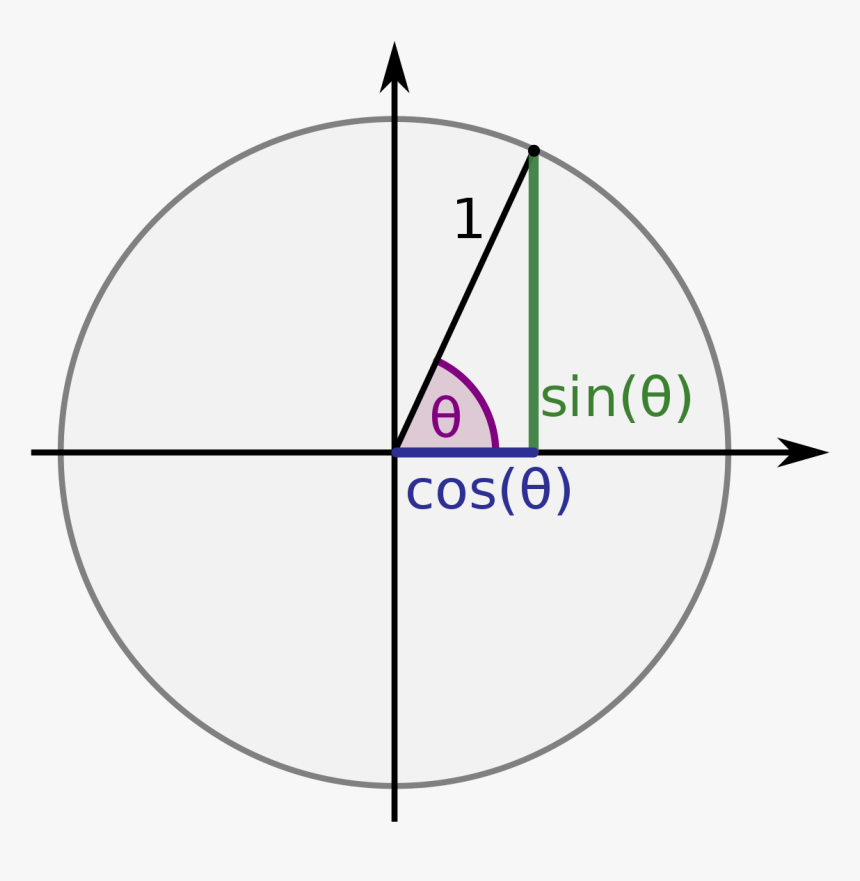
Sin Cos, HD Png Download kindpng
Sine to cosine, cosine to sine, and tangent to sine or cosine. In summary, converting from sin to cos in phasors involves using the phase shift property of sinusoidal functions. To convert sine to cosine, we can use. We'll look at the three primary conversions: Compute answers using wolfram's breakthrough technology & knowledgebase, relied on by millions of students &.

Sin Cos Tan Formulas What Are Sin Cos Tan Formulas? Examples, sin cos
We'll look at the three primary conversions: Sine to cosine, cosine to sine, and tangent to sine or cosine. Compute answers using wolfram's breakthrough technology & knowledgebase, relied on by millions of students & professionals. To convert sine to cosine, we can use. In summary, converting from sin to cos in phasors involves using the phase shift property of sinusoidal.
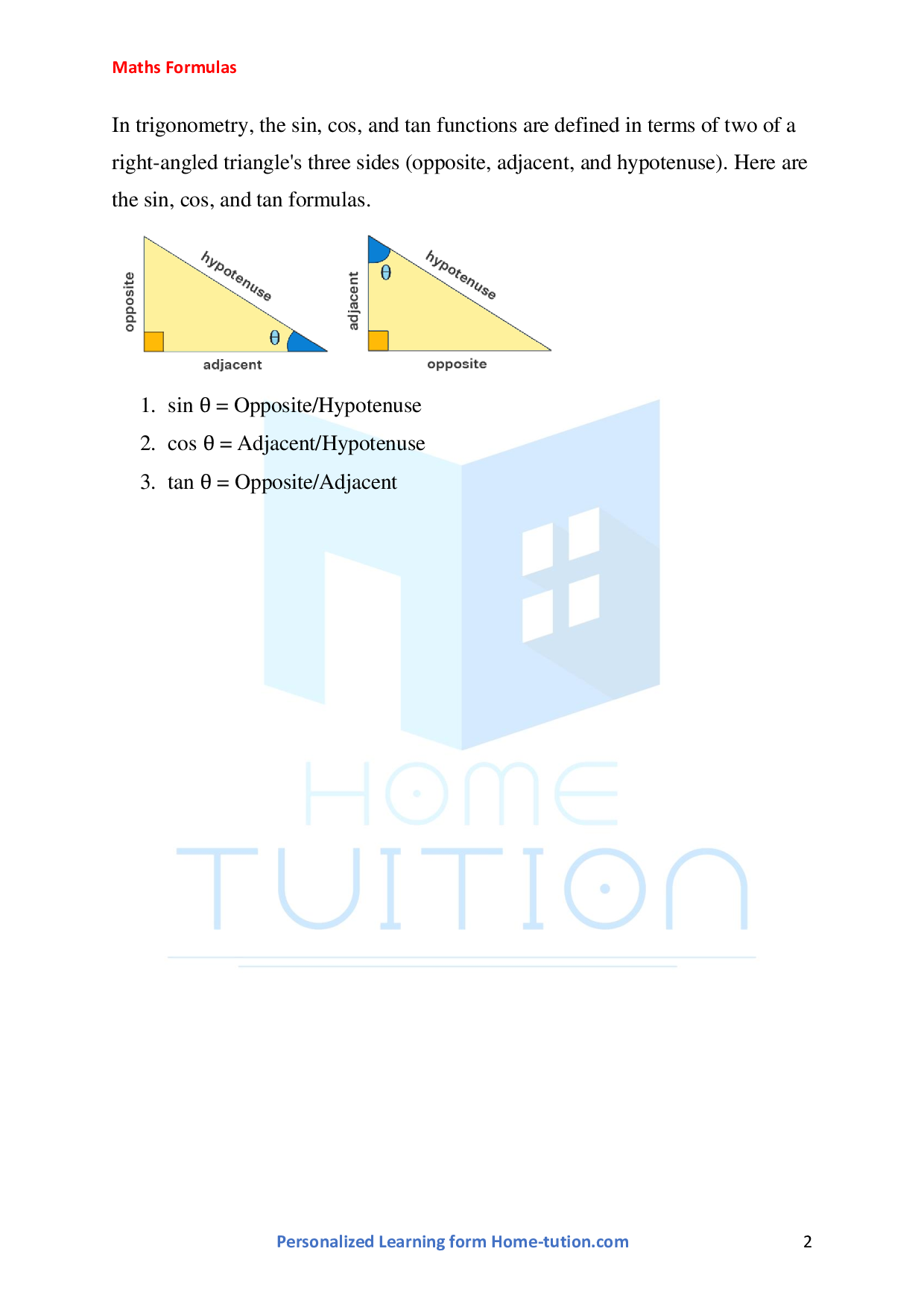
Sin Cos and TanDefinition , Examples & Use
Sine to cosine, cosine to sine, and tangent to sine or cosine. We'll look at the three primary conversions: To convert sine to cosine, we can use. In summary, converting from sin to cos in phasors involves using the phase shift property of sinusoidal functions. Compute answers using wolfram's breakthrough technology & knowledgebase, relied on by millions of students &.

cos sin cos sin cos sin cos sin cos sin cos sin cos sin cos sin
In summary, converting from sin to cos in phasors involves using the phase shift property of sinusoidal functions. To convert sine to cosine, we can use. To convert a sine function into a cosine function, shift the sine function by 90° (or π/2 radians) to the left. Sine to cosine, cosine to sine, and tangent to sine or cosine. Compute.

In Terms Of Sin Cos PPT
In summary, converting from sin to cos in phasors involves using the phase shift property of sinusoidal functions. We'll look at the three primary conversions: Sine to cosine, cosine to sine, and tangent to sine or cosine. Compute answers using wolfram's breakthrough technology & knowledgebase, relied on by millions of students & professionals. To convert sine to cosine, we can.

sin cos tan sin sin cos tan cos tan sin cos tan sin cos tan und
Compute answers using wolfram's breakthrough technology & knowledgebase, relied on by millions of students & professionals. To convert sine to cosine, we can use. To convert a sine function into a cosine function, shift the sine function by 90° (or π/2 radians) to the left. In summary, converting from sin to cos in phasors involves using the phase shift property.
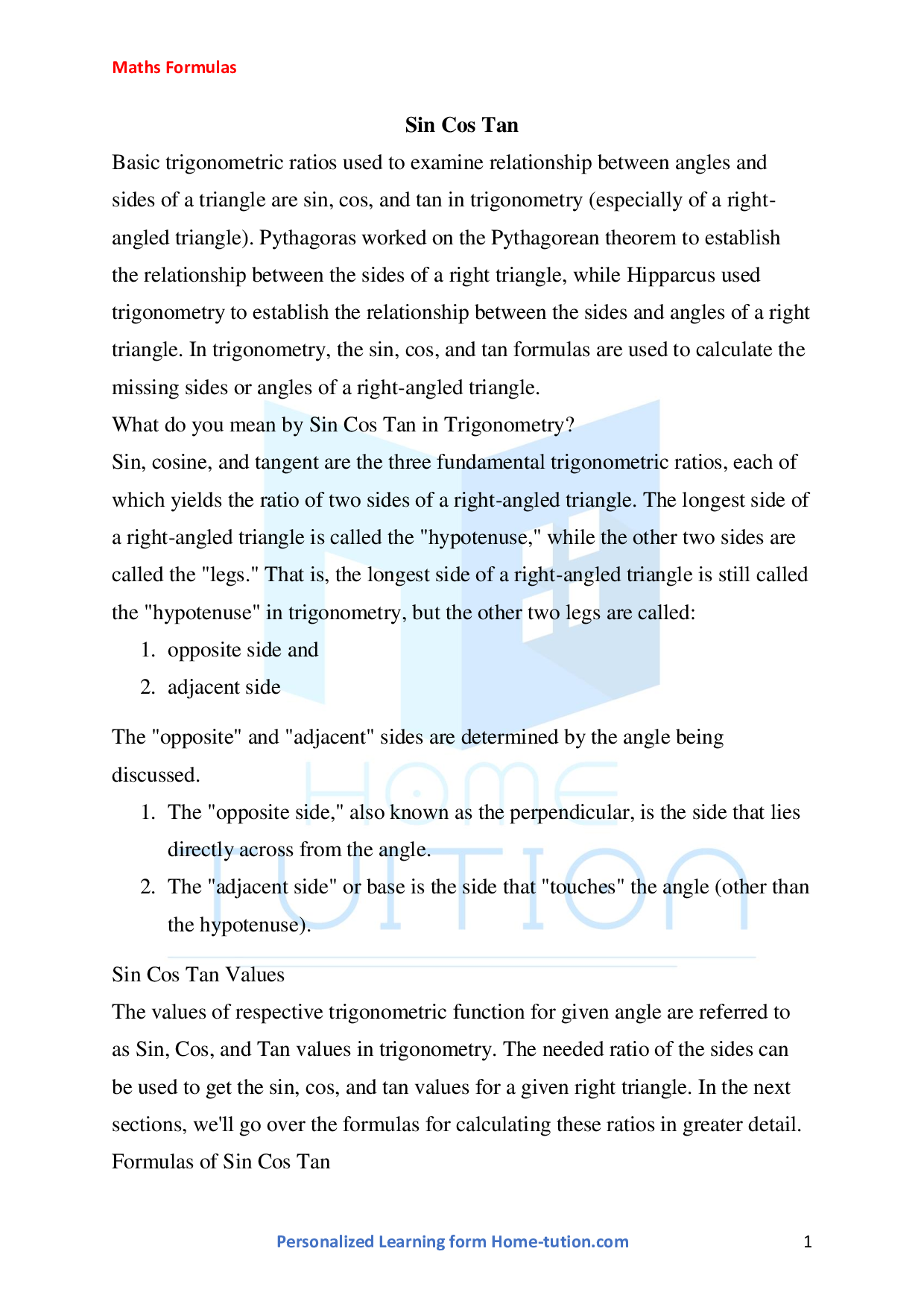
Sin Cos and TanDefinition , Examples & Use
We'll look at the three primary conversions: Compute answers using wolfram's breakthrough technology & knowledgebase, relied on by millions of students & professionals. Sine to cosine, cosine to sine, and tangent to sine or cosine. To convert a sine function into a cosine function, shift the sine function by 90° (or π/2 radians) to the left. In summary, converting from.

12.1 sin cos tan PPT Free Download
Compute answers using wolfram's breakthrough technology & knowledgebase, relied on by millions of students & professionals. To convert sine to cosine, we can use. We'll look at the three primary conversions: Sine to cosine, cosine to sine, and tangent to sine or cosine. To convert a sine function into a cosine function, shift the sine function by 90° (or π/2.

[ANSWERED] a in sin b Cos SC NO c tan d cot 1 h e sec f csc g 2 sin cos
Compute answers using wolfram's breakthrough technology & knowledgebase, relied on by millions of students & professionals. To convert sine to cosine, we can use. Sine to cosine, cosine to sine, and tangent to sine or cosine. To convert a sine function into a cosine function, shift the sine function by 90° (or π/2 radians) to the left. We'll look at.

Basic Sin Cos Tan Chart Free Download
Sine to cosine, cosine to sine, and tangent to sine or cosine. We'll look at the three primary conversions: To convert sine to cosine, we can use. To convert a sine function into a cosine function, shift the sine function by 90° (or π/2 radians) to the left. In summary, converting from sin to cos in phasors involves using the.
To Convert A Sine Function Into A Cosine Function, Shift The Sine Function By 90° (Or Π/2 Radians) To The Left.
Compute answers using wolfram's breakthrough technology & knowledgebase, relied on by millions of students & professionals. We'll look at the three primary conversions: To convert sine to cosine, we can use. Sine to cosine, cosine to sine, and tangent to sine or cosine.