Under Anaerobic Conditions Muscle Cells Convert Pyruvate To - In anaerobic conditions, muscle cells convert pyruvate to lactic acid through lactic acid. Under anaerobic conditions when glycolysis is the major source of atp, pyruvate levels increase,. Under anaerobic conditions, pyruvate is reduced to lactate through lactate. Under anaerobic conditions during strenuous exercise, pyruvate is converted to lactate to. Yeast and other anaerobic microorganisms convert glucose to ethanol and co 2 rather than.
Under anaerobic conditions when glycolysis is the major source of atp, pyruvate levels increase,. Under anaerobic conditions, pyruvate is reduced to lactate through lactate. Yeast and other anaerobic microorganisms convert glucose to ethanol and co 2 rather than. In anaerobic conditions, muscle cells convert pyruvate to lactic acid through lactic acid. Under anaerobic conditions during strenuous exercise, pyruvate is converted to lactate to.
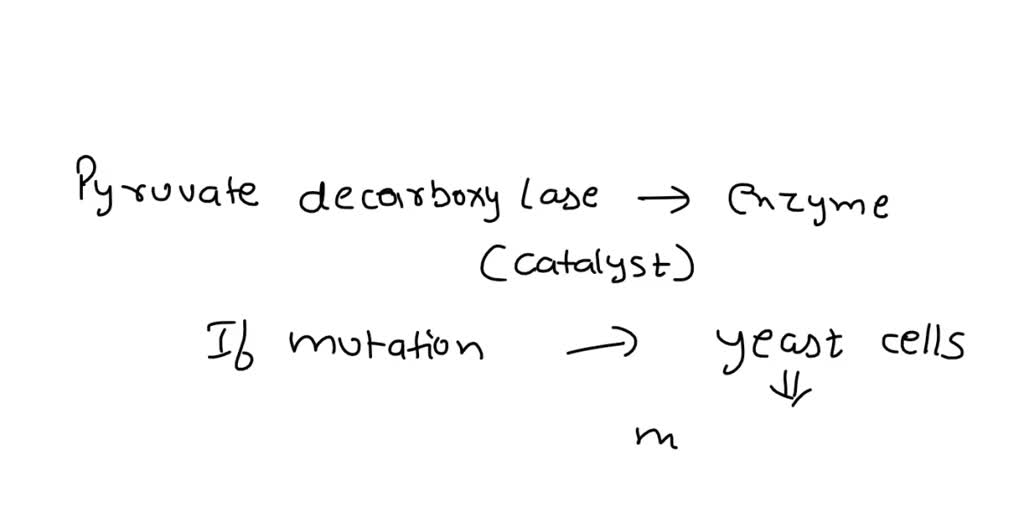
SOLVED A mutation in yeast makes it unable to convert pyruvate to
Under anaerobic conditions during strenuous exercise, pyruvate is converted to lactate to. Under anaerobic conditions when glycolysis is the major source of atp, pyruvate levels increase,. In anaerobic conditions, muscle cells convert pyruvate to lactic acid through lactic acid. Yeast and other anaerobic microorganisms convert glucose to ethanol and co 2 rather than. Under anaerobic conditions, pyruvate is reduced to.

Solved 4. Why do muscle cells convert pyruvate to lactate,
Under anaerobic conditions, pyruvate is reduced to lactate through lactate. Under anaerobic conditions when glycolysis is the major source of atp, pyruvate levels increase,. In anaerobic conditions, muscle cells convert pyruvate to lactic acid through lactic acid. Under anaerobic conditions during strenuous exercise, pyruvate is converted to lactate to. Yeast and other anaerobic microorganisms convert glucose to ethanol and co.
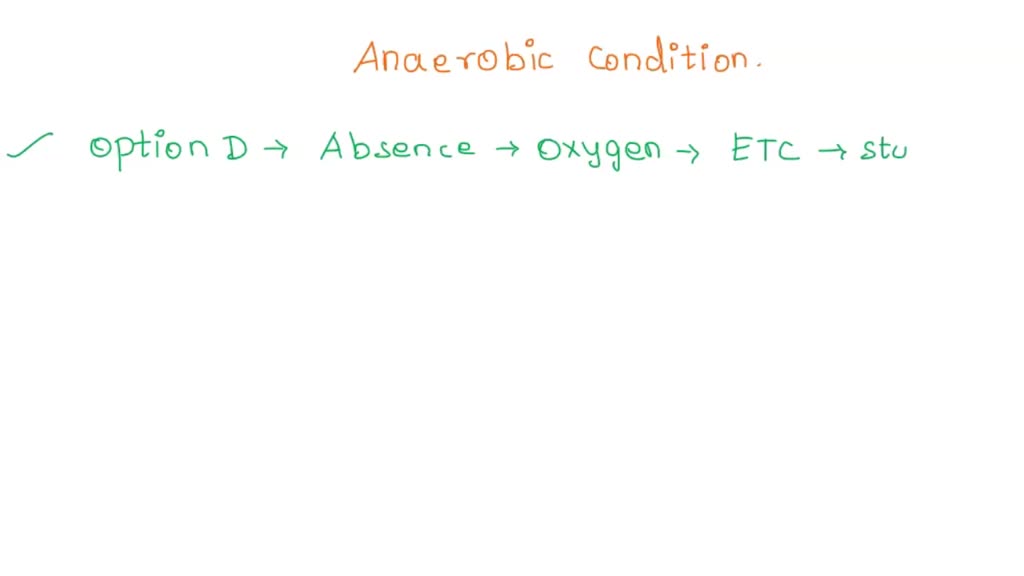
SOLVED Under anaerobic conditions (a lack of oxygen), the conversion
Yeast and other anaerobic microorganisms convert glucose to ethanol and co 2 rather than. Under anaerobic conditions during strenuous exercise, pyruvate is converted to lactate to. Under anaerobic conditions, pyruvate is reduced to lactate through lactate. Under anaerobic conditions when glycolysis is the major source of atp, pyruvate levels increase,. In anaerobic conditions, muscle cells convert pyruvate to lactic acid.

Fate of pyruvate under anaerobic condition
Under anaerobic conditions, pyruvate is reduced to lactate through lactate. Yeast and other anaerobic microorganisms convert glucose to ethanol and co 2 rather than. Under anaerobic conditions when glycolysis is the major source of atp, pyruvate levels increase,. In anaerobic conditions, muscle cells convert pyruvate to lactic acid through lactic acid. Under anaerobic conditions during strenuous exercise, pyruvate is converted.
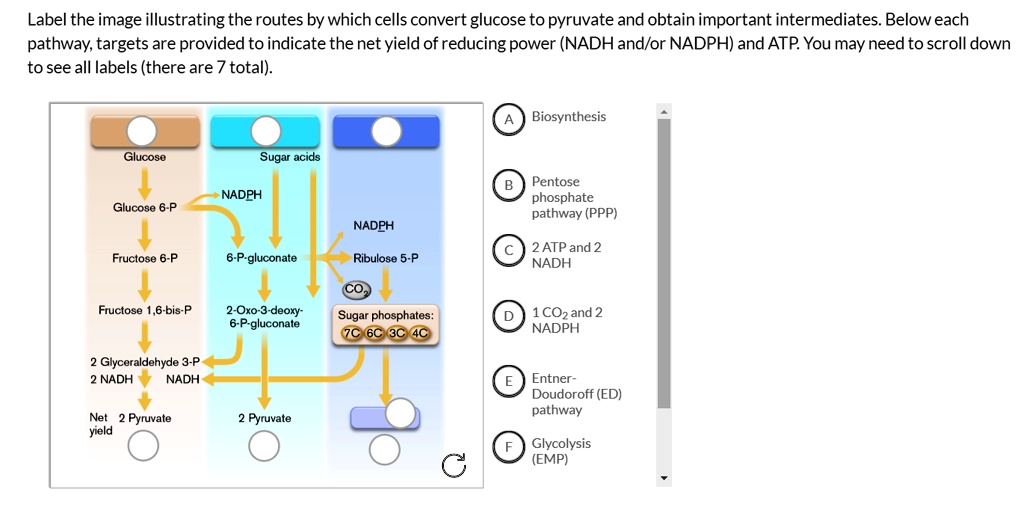
label the image illustrating the routes by which cells convert glucose
In anaerobic conditions, muscle cells convert pyruvate to lactic acid through lactic acid. Yeast and other anaerobic microorganisms convert glucose to ethanol and co 2 rather than. Under anaerobic conditions, pyruvate is reduced to lactate through lactate. Under anaerobic conditions during strenuous exercise, pyruvate is converted to lactate to. Under anaerobic conditions when glycolysis is the major source of atp,.

Fate of pyruvate under anaerobic condition
In anaerobic conditions, muscle cells convert pyruvate to lactic acid through lactic acid. Under anaerobic conditions when glycolysis is the major source of atp, pyruvate levels increase,. Under anaerobic conditions, pyruvate is reduced to lactate through lactate. Yeast and other anaerobic microorganisms convert glucose to ethanol and co 2 rather than. Under anaerobic conditions during strenuous exercise, pyruvate is converted.
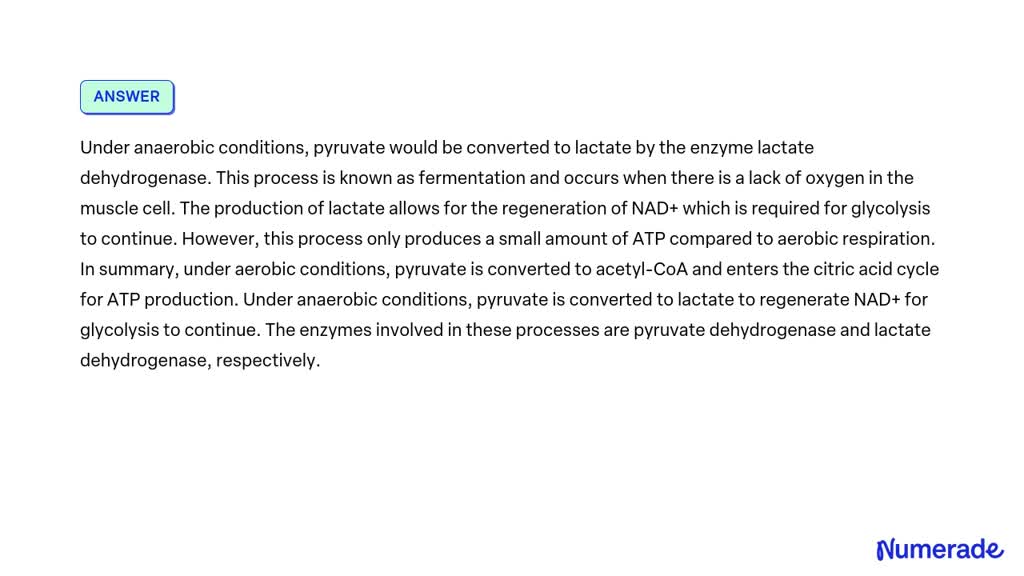
SOLVED Explain what the fate of pyruvate would be under aerobic
Under anaerobic conditions during strenuous exercise, pyruvate is converted to lactate to. Under anaerobic conditions when glycolysis is the major source of atp, pyruvate levels increase,. Yeast and other anaerobic microorganisms convert glucose to ethanol and co 2 rather than. In anaerobic conditions, muscle cells convert pyruvate to lactic acid through lactic acid. Under anaerobic conditions, pyruvate is reduced to.
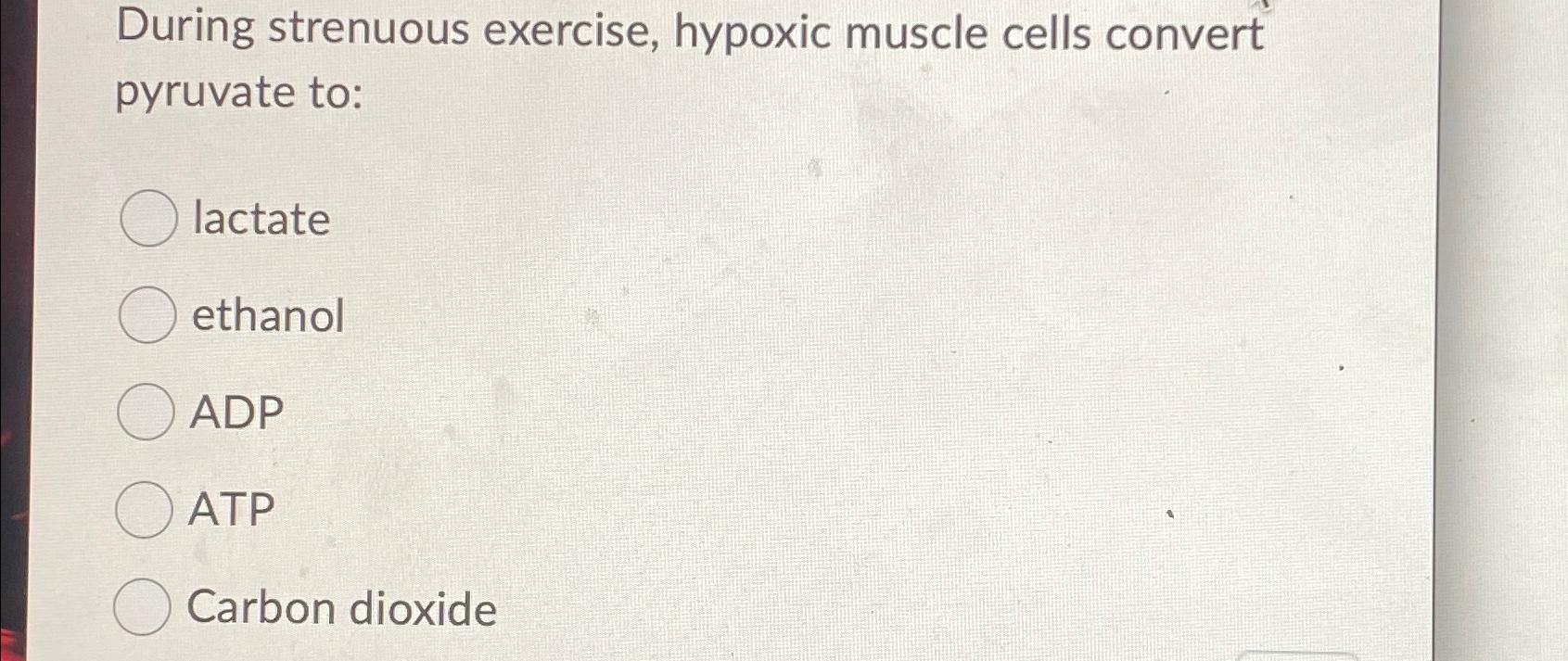
Solved During strenuous exercise, hypoxic muscle cells
Under anaerobic conditions during strenuous exercise, pyruvate is converted to lactate to. Yeast and other anaerobic microorganisms convert glucose to ethanol and co 2 rather than. Under anaerobic conditions when glycolysis is the major source of atp, pyruvate levels increase,. In anaerobic conditions, muscle cells convert pyruvate to lactic acid through lactic acid. Under anaerobic conditions, pyruvate is reduced to.
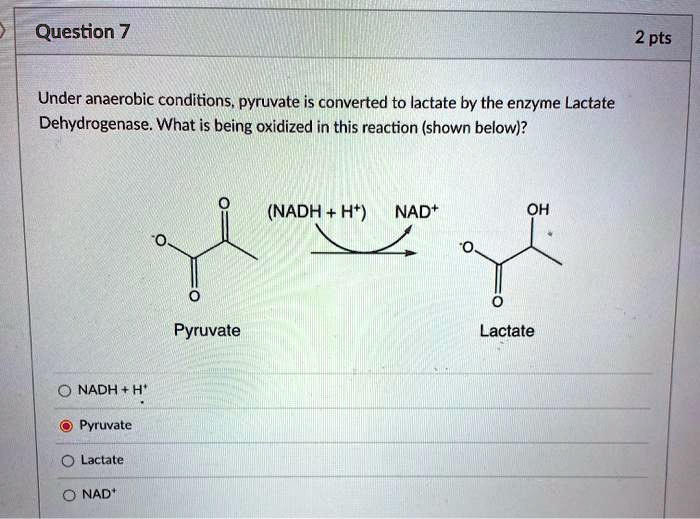
SOLVED Under anaerobic conditions, pyruvate is converted to lactate by
Yeast and other anaerobic microorganisms convert glucose to ethanol and co 2 rather than. Under anaerobic conditions during strenuous exercise, pyruvate is converted to lactate to. In anaerobic conditions, muscle cells convert pyruvate to lactic acid through lactic acid. Under anaerobic conditions, pyruvate is reduced to lactate through lactate. Under anaerobic conditions when glycolysis is the major source of atp,.
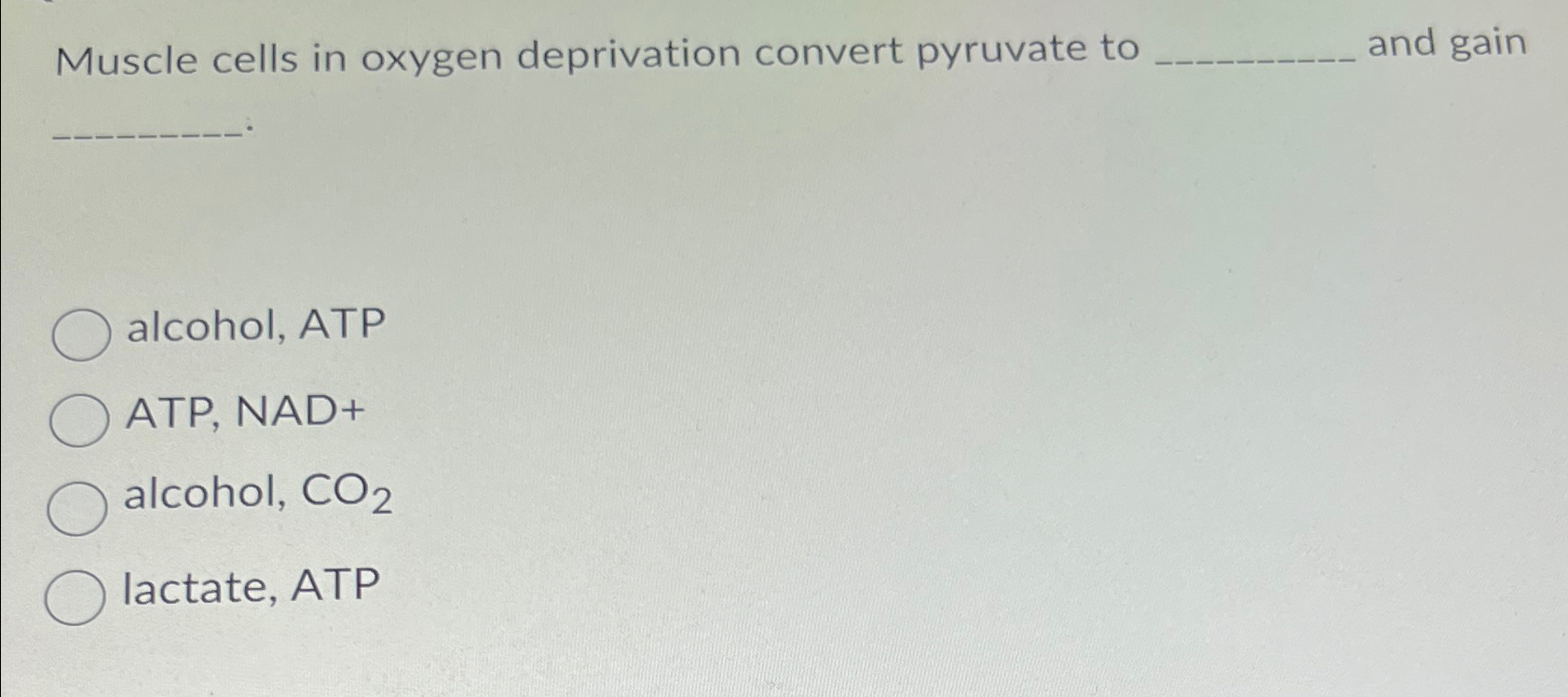
Solved Muscle cells in oxygen deprivation convert pyruvate
Under anaerobic conditions during strenuous exercise, pyruvate is converted to lactate to. Yeast and other anaerobic microorganisms convert glucose to ethanol and co 2 rather than. In anaerobic conditions, muscle cells convert pyruvate to lactic acid through lactic acid. Under anaerobic conditions when glycolysis is the major source of atp, pyruvate levels increase,. Under anaerobic conditions, pyruvate is reduced to.
Under Anaerobic Conditions During Strenuous Exercise, Pyruvate Is Converted To Lactate To.
In anaerobic conditions, muscle cells convert pyruvate to lactic acid through lactic acid. Yeast and other anaerobic microorganisms convert glucose to ethanol and co 2 rather than. Under anaerobic conditions, pyruvate is reduced to lactate through lactate. Under anaerobic conditions when glycolysis is the major source of atp, pyruvate levels increase,.